

Spain’s unprecedented border crisis mirrors scenes I witnessed while filming illegal immigration at the fortified frontier surrounding Melilla
By Jeff Rainforth
At least 67 people are dead after an estimated 50,000 to 60,000 illegal aliens breached the border separating Morocco from Ceuta, a Spanish territory on the northern coast of Africa.

The enormous influx unfolded Thursday and Friday, overwhelming local authorities and throwing the small Spanish territory into a humanitarian and security crisis. Some of those killed reportedly drowned while attempting to enter Ceuta by sea, while others died in a stampede near a breakwater barrier, according to the Spanish government.
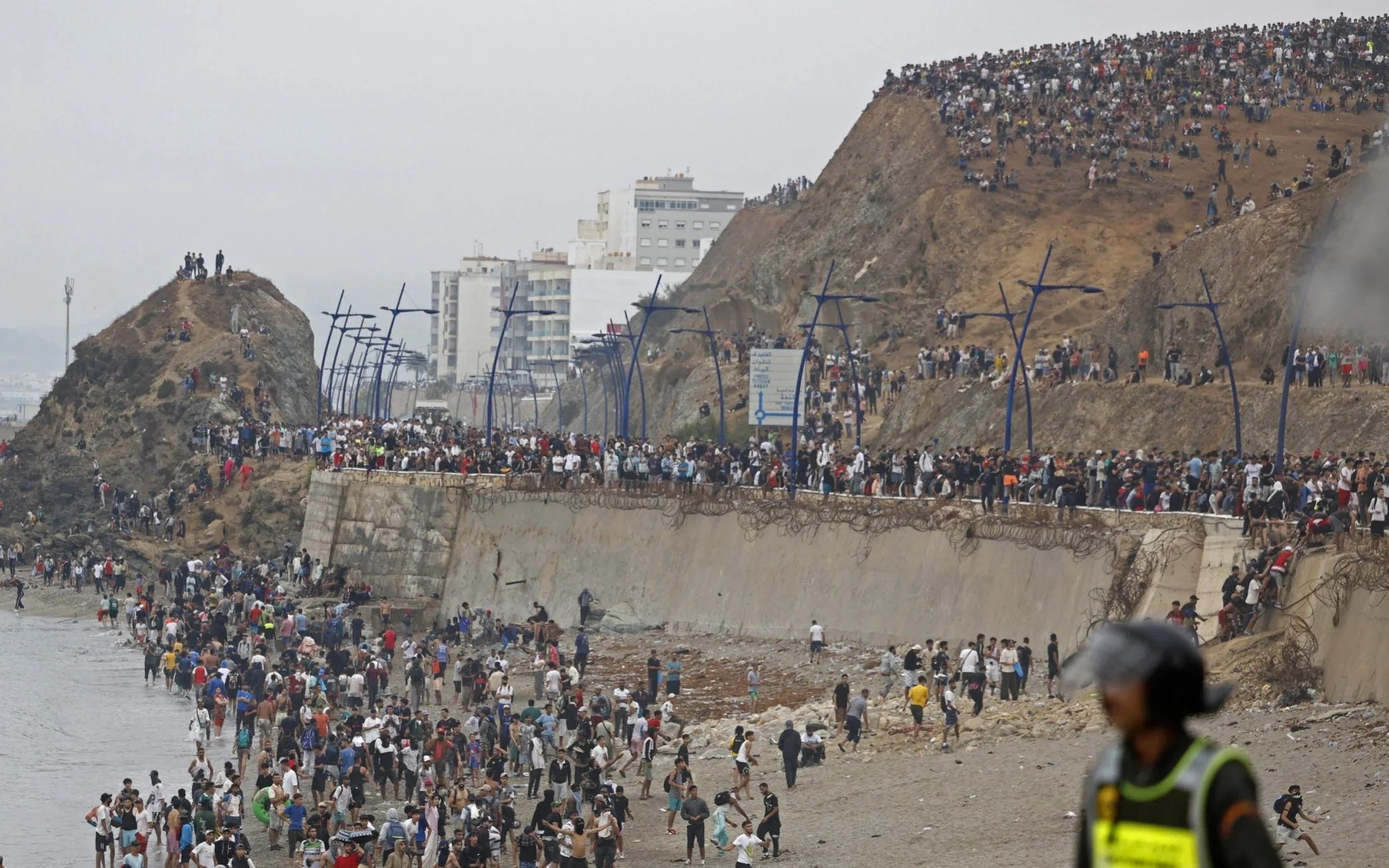
Spain responded Saturday by installing a 500-meter-long—or approximately 1,600-foot—floating containment barrier along the sea border between Ceuta and Morocco.
The barrier consists of a pneumatic structure accompanied by naval buoys, with an opening allowing Spanish Civil Guard patrol vessels to pass through. Its purpose is to prevent migrants from swimming or walking around the coastal end of Ceuta’s existing border fence.
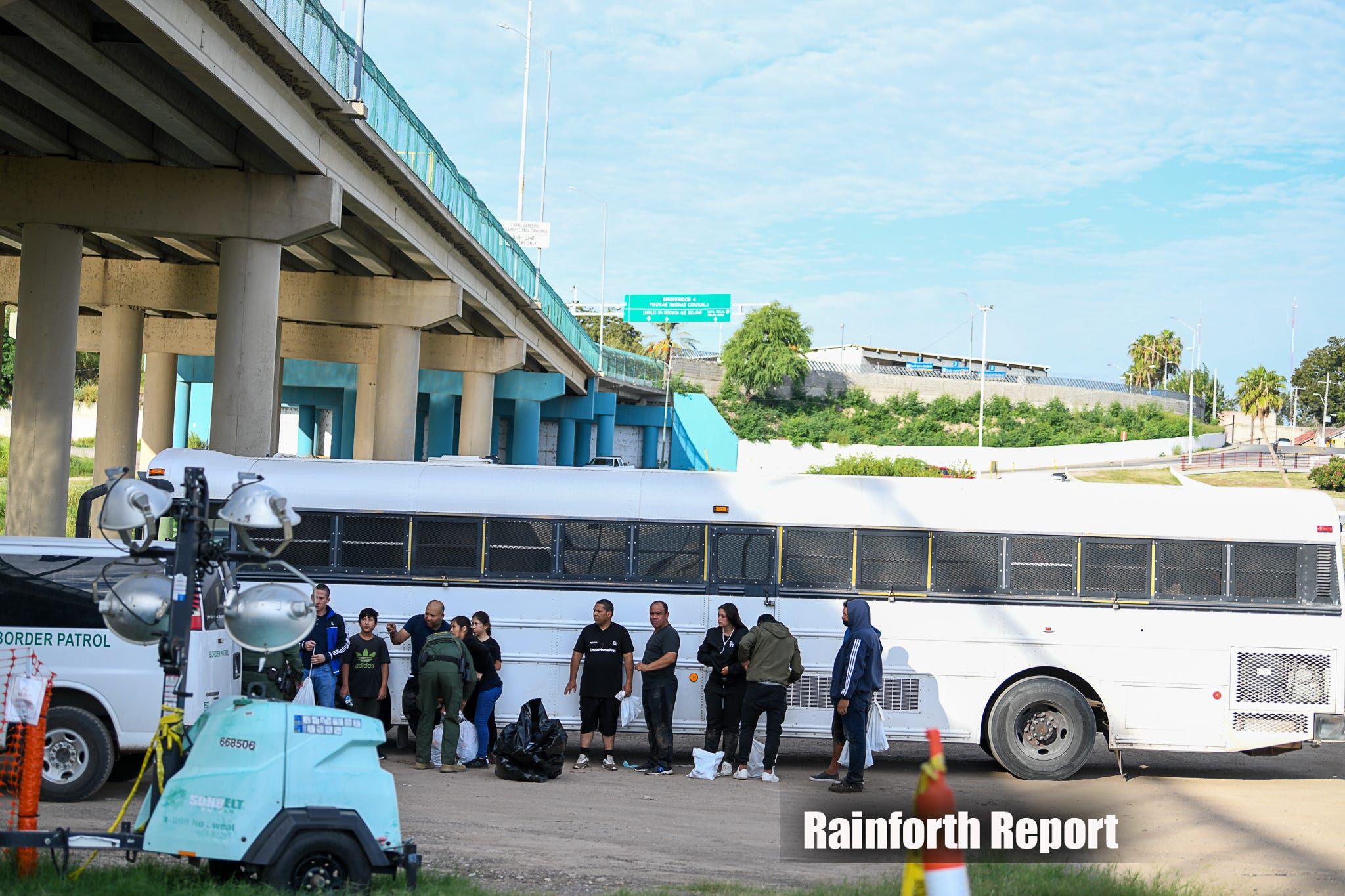
The project is remarkably similar in concept to the waterborne barriers installed in the Rio Grande to deter illegal crossings along the Texas-Mexico border. I filmed the border invasion and crisis there as well.
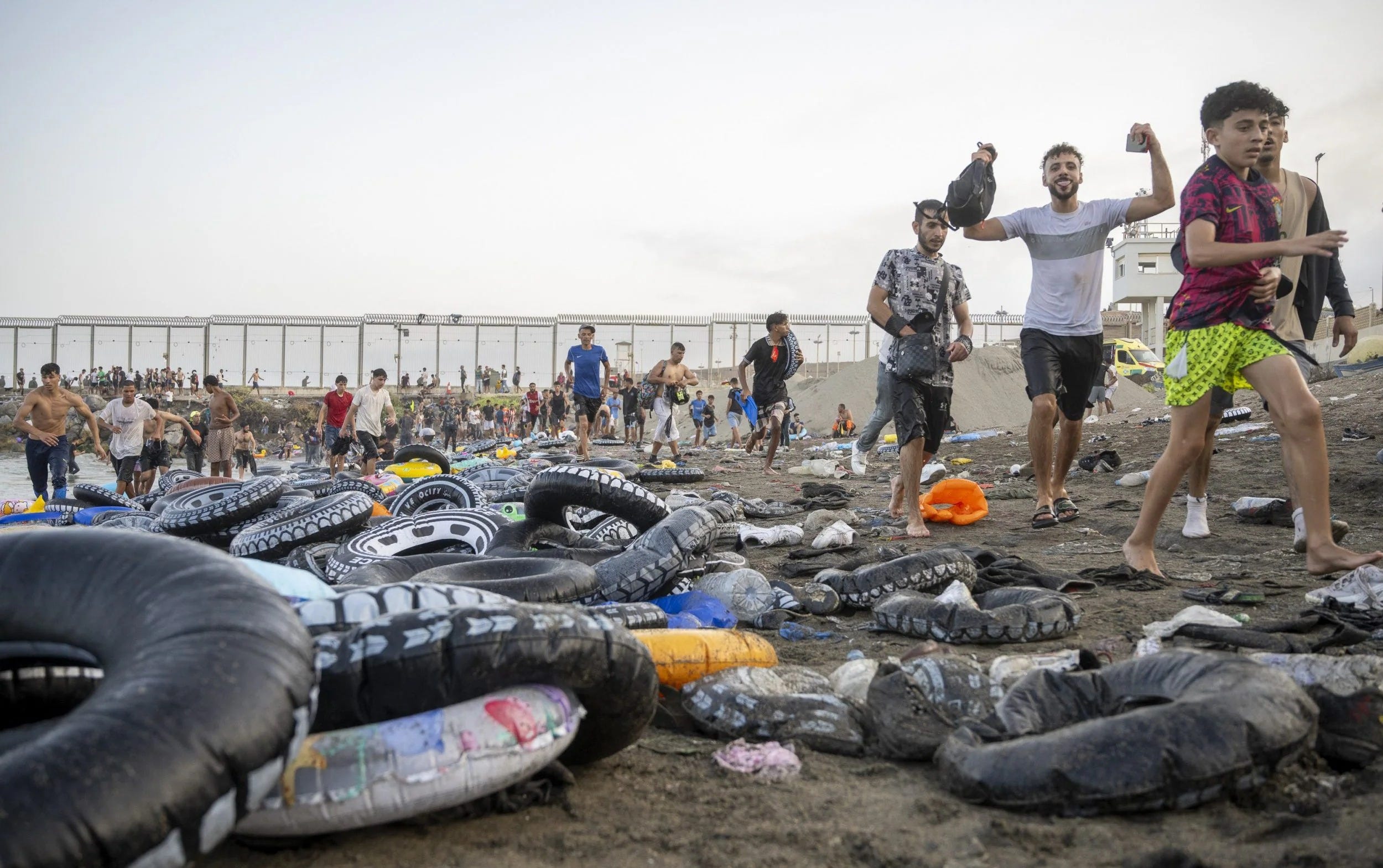
Spanish officials say more than 48,000 migrants had returned to Morocco within approximately 48 hours of the mass entry. Authorities have also emphasized that illegally entering Ceuta does not automatically give migrants access to mainland Spain or the rest of Europe.
The European Union is now confronting a major border-security debate, with member nations calling for an emergency meeting to coordinate their response. Several European countries have also strengthened checks on travelers arriving from Spain.
The Associated Press reported that critics of Spain’s socialist government, particularly politicians on the political right, seized upon dramatic images of massive crowds entering Ceuta as evidence of a failed immigration policy.
I Filmed Spain’s Border Crisis Years Ago
None of this is entirely new.
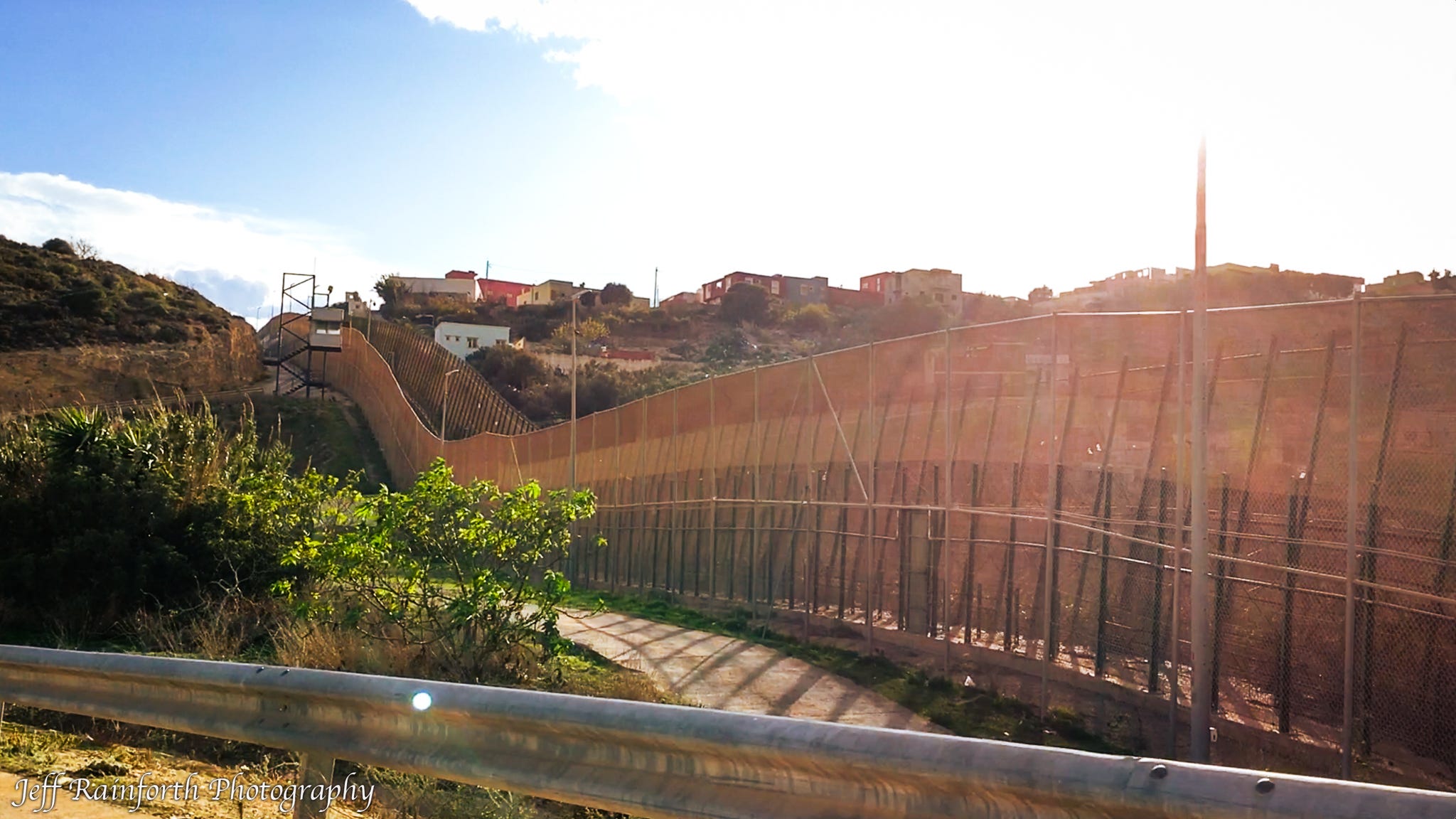
I traveled to Melilla, another Spanish territory on the northern coast of Africa, where I personally filmed the massive border-security system separating the city from Morocco.
Ceuta and Melilla form the European Union’s only land borders with Africa. Both territories have consequently become major targets for migrants attempting to enter Spanish and European territory without authorization.

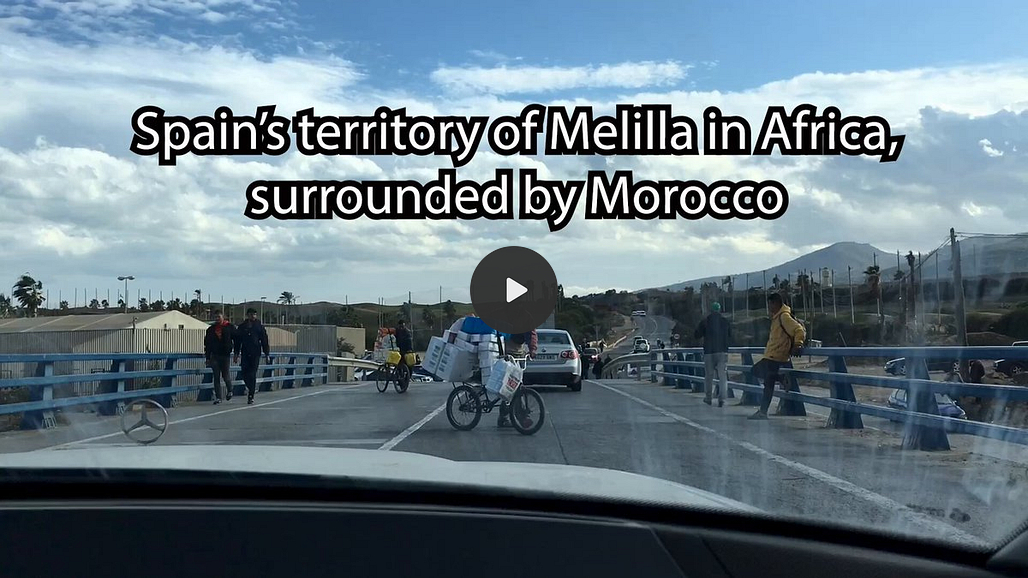
Melilla is protected by an extraordinary multilayered border fence. When I filmed there, I documented the triple-fence system, patrol roads, observation posts and other security infrastructure designed to prevent mass crossings.
The border looked more like a fortified military perimeter than an ordinary international boundary. Yet even that massive physical barrier was under constant pressure.
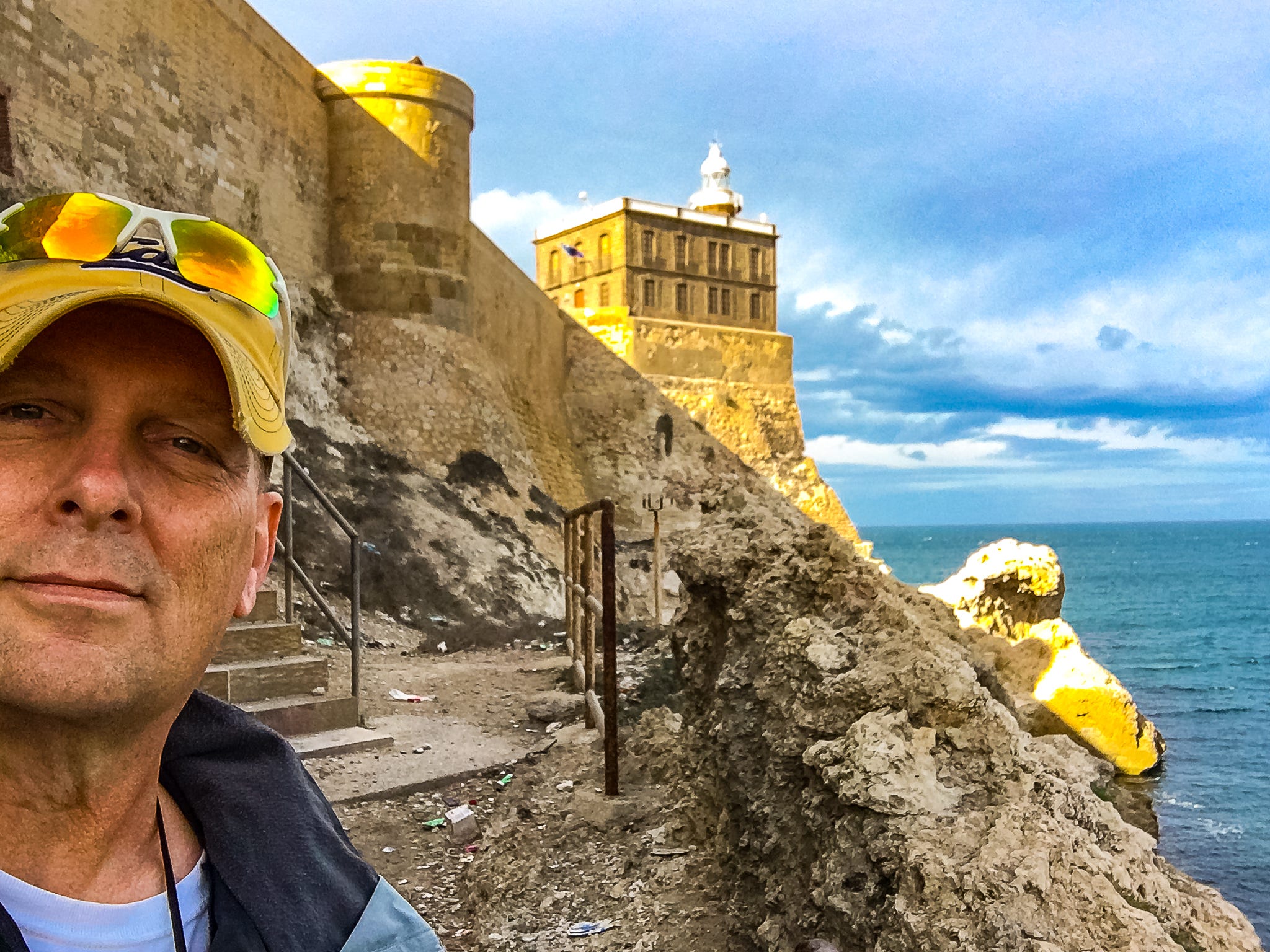
Illegal aliens were still finding ways to climb over, cut through, or move around the fortifications. Spanish security forces continuously monitored the frontier because officials understood that a barrier without personnel, surveillance, and enforcement could eventually be breached.
The current catastrophe in Ceuta demonstrates exactly why those defenses exist.
The Council of the European Union identifies Ceuta and Melilla as part of the Western Mediterranean migration route, which includes irregular arrivals in Spain by sea and through its North African territories.
These borders have experienced repeated mass-crossing attempts for decades. People have been killed in previous attempts to overwhelm the fences, while Spanish and Moroccan security personnel have repeatedly confronted crowds trying to force their way through.
A City Overwhelmed
The scale of this latest incident is difficult to overstate.
Ceuta normally has a population of approximately 85,000 people. The arrival of as many as 60,000 migrants in roughly two days was therefore equivalent to adding a population nearly three-quarters the size of the entire territory almost overnight.
No city can absorb an influx of that magnitude without severe consequences.
Reception facilities become overwhelmed. Police and military resources are stretched thin. Food, shelter and medical services come under enormous pressure. Local residents face uncertainty while officials attempt to identify, process, house or return tens of thousands of people.
It is also dangerous for the migrants themselves, as the reported death toll demonstrates. Uncontrolled mass movements produce drowning, crushing, trampling and other predictable tragedies.
A functioning border is therefore not simply a political symbol. It is a necessary component of public safety, national sovereignty and an orderly immigration system.
The Same Warning Applies to America
I have seen the consequences of failed border enforcement on both sides of the Atlantic.
After filming Spain’s border defenses, I spent approximately 12 months working along the United States-Mexico border. During the previous U.S. administration, I personally filmed more than 200,000 illegal aliens crossing into the United States.
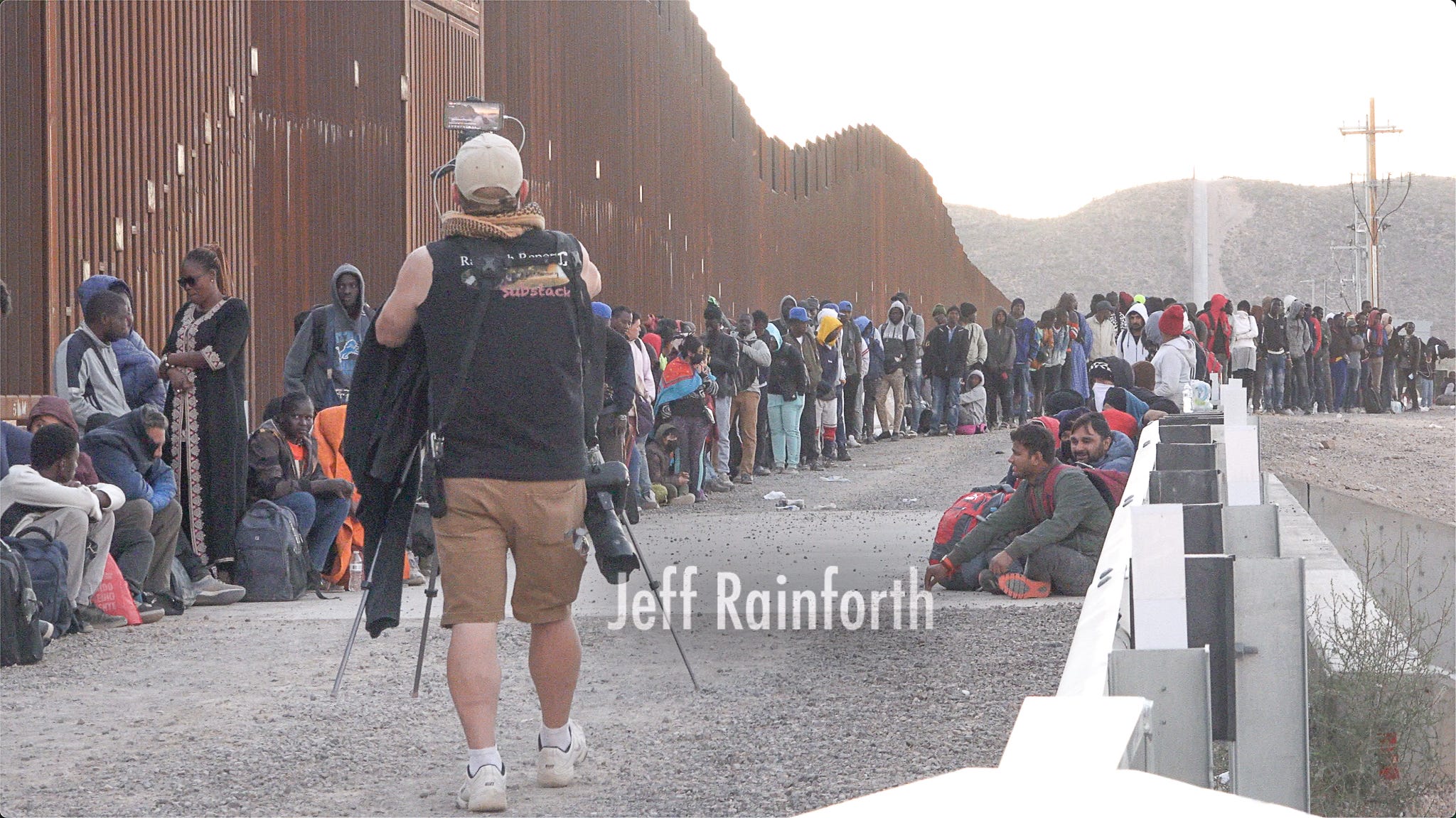
I watched groups walk across the border, surrender to agents, and enter an immigration system that was already operating far beyond its intended capacity.
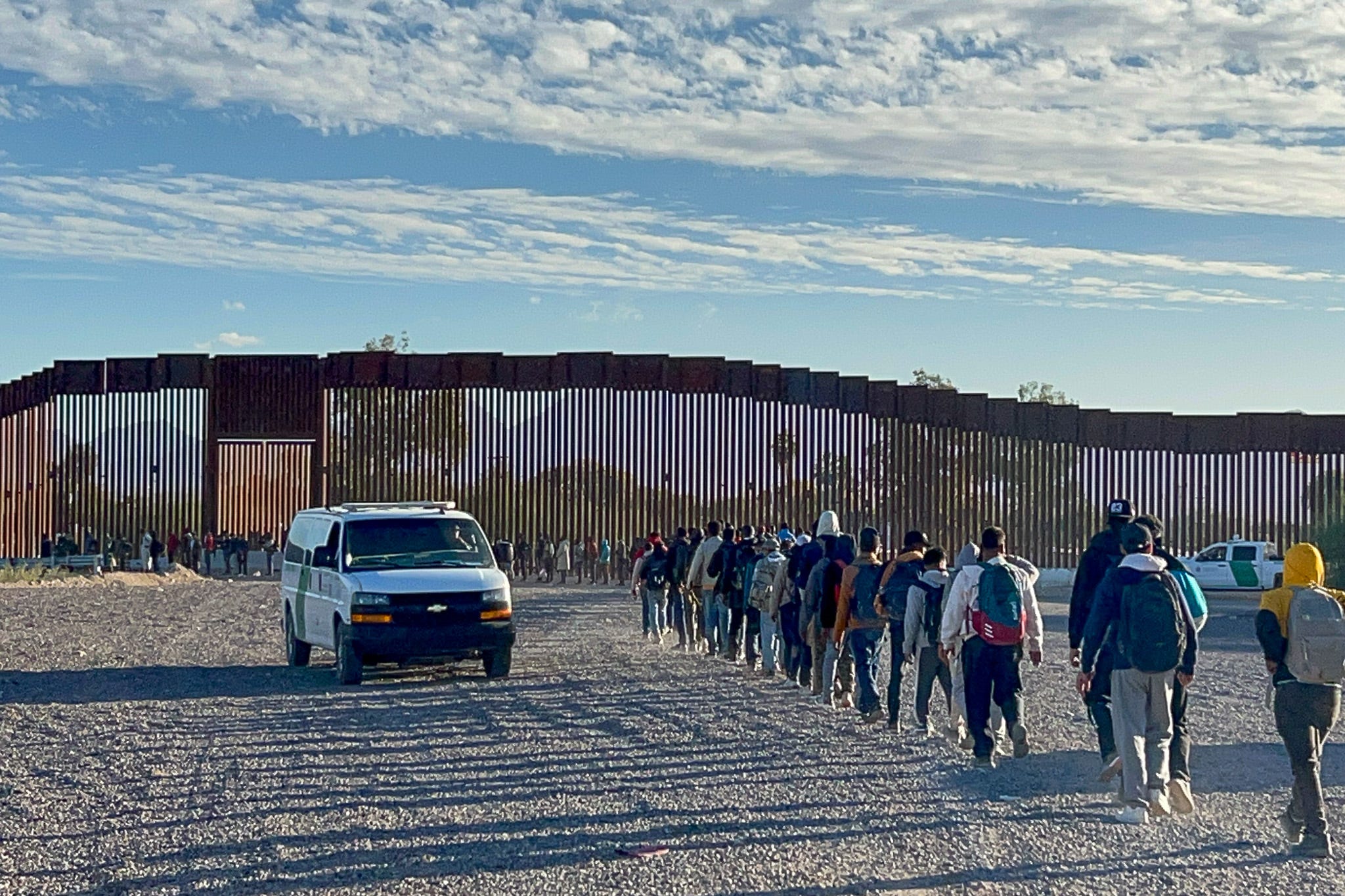
Those experiences taught me that the border crisis is not theoretical. It affects border communities, law enforcement, taxpayers, humanitarian organizations, and the illegal aliens making the journey.
Physical barriers alone cannot solve every immigration problem. However, strategically placed fencing and waterborne barriers—combined with surveillance, sufficient personnel, and consistent enforcement—can channel crossings toward legal ports of entry and make it substantially harder for enormous groups to overwhelm a country’s defenses.
Spain is now installing a barrier in the sea because its existing security system was unable to stop tens of thousands of people from breaching its territory in a matter of hours.
That is what unchecked immigration and weak border enforcement eventually produce: chaos, political conflict, overwhelmed communities, and preventable deaths.
Countries have both the right and responsibility to control who enters their territory. People seeking admission must use established legal procedures rather than rushing fences, swimming around barriers, or overwhelming security personnel.
Come the right way—or not at all.
Build the wall, defend the border, and enforce the law. A nation that refuses to control its frontier will eventually lose control of what happens inside it.
(Note: I am trying to get back to the border within a few days to film some new stuff. Stay tuned.)
A functioning border is not cruelty. It is civilization’s perimeter. The alternative is what Spain just saw: mass crossings, overwhelmed authorities, dead migrants, terrified residents, political panic, and emergency barriers installed after the breach. The same lesson applies in America. Physical barriers alone are not enough, but without walls, surveillance, personnel, deportation capacity, and political will, sovereignty becomes theater. The Red-Green coalition calls enforcement hateful because it wants the West demoralized, flooded, and unable to say no. Come legally, or do not come. Build the wall. Defend the border. Enforce the law.
You're doing Good Work 👍.